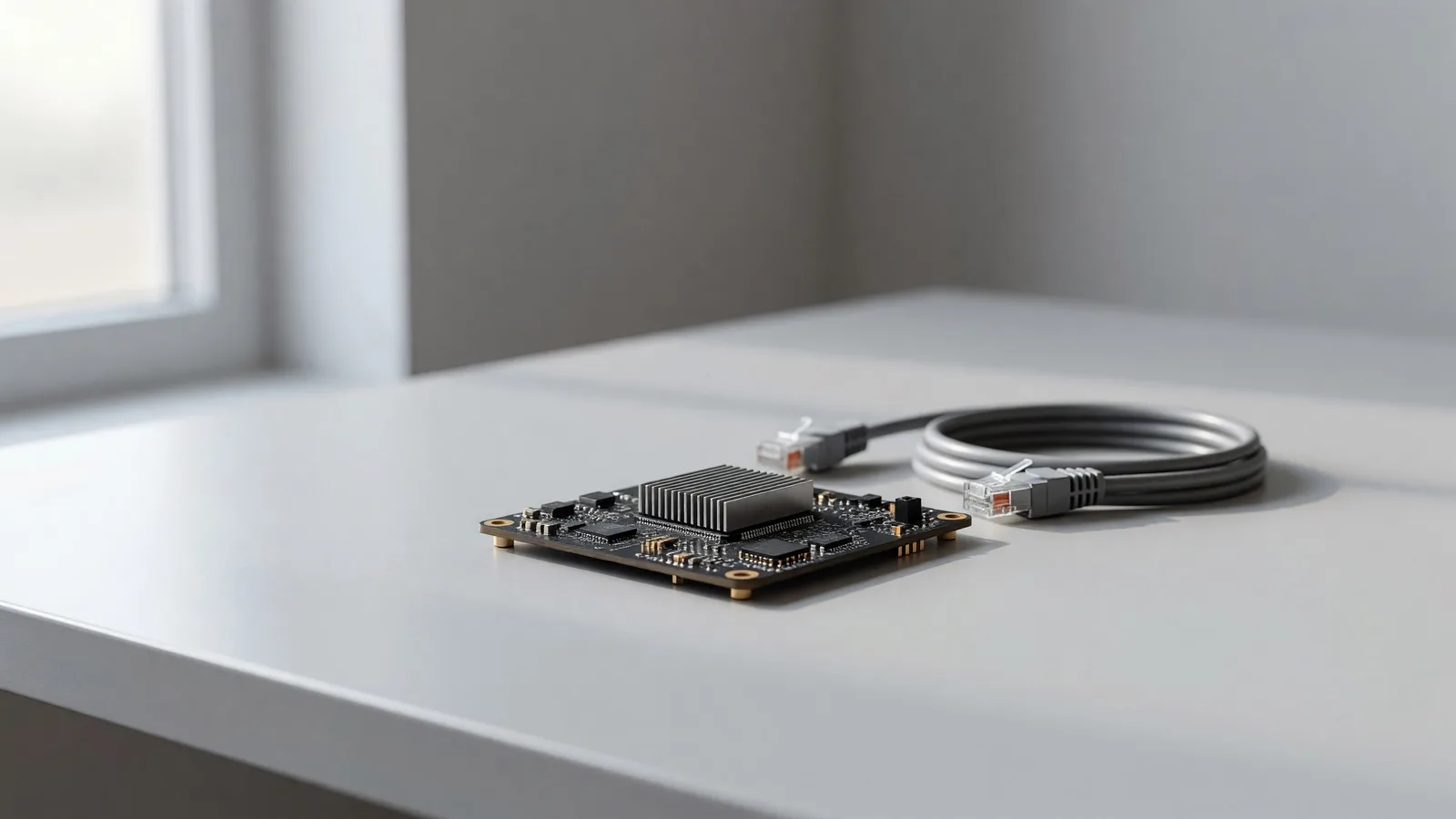
OpenBMB's MiniCPM5-2B announcement pulled roughly 229,000 views on X within a day, making it the loudest small-model release of the week. Under the noise sits one verified fact: it is the highest-scoring open-weights model under 4 billion parameters on Artificial Analysis' independent index.
Key facts
- OpenBMB released MiniCPM5-2B on September 7: a ~2.5B-parameter dense reasoning model with Apache-2.0 weights, ~550B+ tokens of training data, recipes, and an RL stack all published.
- Artificial Analysis scored it 15 on Intelligence Index v4.2, the top open-weights result under 4B, with a GDPval-AA v2 Elo of 831 leading that class.
- MarkTechPost reports a 53.9 average across 34 benchmarks — vendor-supplied evals, not independent ones.
- The announcement post drew ~1.5k likes and ~229k views, with amplification from @ArtificialAnlys and others.
What's driving the conversation
The release itself is the driver, and the argument is over a single number. OpenBMB's announcement thread and several amplifiers claimed a "#1 under 4B" position with an Artificial Analysis score of 23. Artificial Analysis' own write-up reports 15 on Intelligence Index v4.2 — still the highest score for an open-weights model under 4B parameters, but not 23. The discrepancy matters because the ranking claim is doing the viral work; the correct figure keeps the claim true, just less dramatic.
The second thread is edge deployment. OpenBMB is pitching optimization for Intel OpenVINO, Arm SME2, and Rockchip RK3588 targets alongside day-one vLLM, SGLang, llama.cpp, and Ollama support — the part of the release working builders actually quoted and reposted, since a 2.5B dense model is squarely in the self-hostable-on-a-workstation class.
The substance
What is verified: the weights, data, and recipes are public under Apache 2.0, the most permissive of the common open-weight licenses, and the Artificial Analysis score of 15 with its stated caveats — AA notes real weaknesses in knowledge, coding, and long-context tasks versus larger models. The 53.9-across-34-benchmarks figure and the edge-performance numbers are vendor and trade-press claims until independent evaluators replicate them.
Why builders are watching
Sub-4B is the size class that runs on hardware builders already own, which is why every credible release there gets traction in our open-weight models coverage. Full data plus recipes plus weights is still rare enough to be the actual story: it makes MiniCPM5-2B reproducible in a way most "open" releases are not, a distinction we track in open-weight vs open-source. If the AA ranking holds up under third-party replication, this becomes the default starting point for on-device and fine-tune work in its class.
Questions
- What actually happened with MiniCPM5-2B?
- OpenBMB released MiniCPM5-2B on September 7, 2026: a ~2.5B-parameter dense reasoning model with Apache-2.0 weights, ~550B+ tokens of training data, recipes, and an RL stack, with day-one support in vLLM, SGLang, llama.cpp, and Ollama.
- What is MiniCPM5-2B's real benchmark standing?
- Artificial Analysis scored it 15 on Intelligence Index v4.2, the highest among open-weights models under 4B parameters, with noted weaknesses in knowledge, coding, and long context versus larger models. A widely shared X figure of 23 does not match AA's published write-up.
- What's disputed about the release?
- The benchmark number itself: the announcement thread and amplifiers cited a score of 23 on the Artificial Analysis index, while Artificial Analysis' own article reports 15. Builders also debate whether sub-4B reasoning claims hold up outside curated evals.
Sources
About DeAI
DeAI is an independent publication covering open-weight AI models, private inference, and decentralized infrastructure — the tools for running AI you actually control. We test providers on price, privacy, and refusal behavior and publish the numbers, not the vibes. DeAI is powered by Morpheus (mor.org), a decentralized inference marketplace, and covers it on the same terms as every other provider.
Powered by Morpheus and StrandCMS
Morpheus is a decentralized inference marketplace, covered on the same terms as every other provider — we rank it wherever the data lands. StrandCMS is the open-source, agent-first framework this site is built on.